Oocyte and Sperm Freezing: Preserving Fertility for the Future
By Dr. Shalini Singh, Gynecologist & Fertility Specialist
Advancements in reproductive medicine have made it possible to preserve fertility for the future. Oocyte (egg) freezing and sperm freezing are effective options for individuals who wish to delay parenthood or protect their fertility due to medical, personal, or professional reasons.
What Is Oocyte (Egg) Freezing?
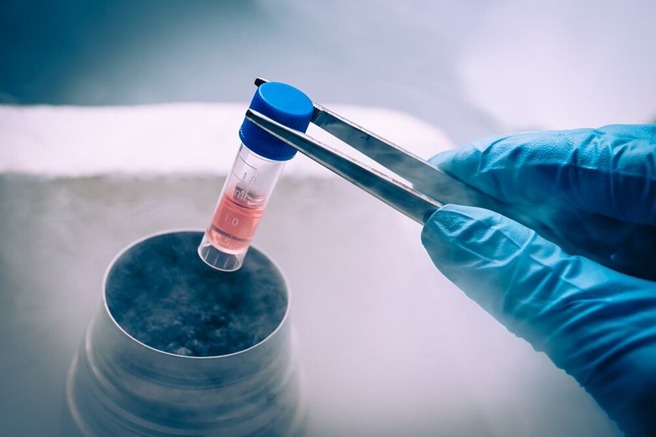
Oocyte freezing is a process in which a woman’s eggs are collected, frozen, and stored for future use. These eggs can later be thawed, fertilized, and implanted when pregnancy is desired.
Egg freezing may be recommended for women who:
- Wish to delay pregnancy for personal or career reasons
- Are diagnosed with conditions that may affect fertility
- Are undergoing cancer treatment such as chemotherapy or radiation
- Have a family history of early menopause
- Plan to undergo certain gynecological surgeries
What Is Sperm Freezing?
Sperm freezing, also known as sperm cryopreservation, involves collecting and freezing healthy sperm for future use. Frozen sperm can remain viable for many years when stored under proper conditions.
Sperm freezing is commonly considered by men who:
- Are undergoing cancer or medical treatments that may affect fertility
- Have low sperm count or declining sperm quality
- Plan to undergo vasectomy but wish to preserve future fertility
- May not be available during fertility treatment at a later stage
How Does the Freezing Process Work?
Egg Freezing Process
- Ovarian stimulation using hormonal injections
- Regular monitoring with ultrasound scans and blood tests
- Egg retrieval under mild anesthesia
- Freezing of eggs using advanced vitrification techniques
Sperm Freezing Process
- Semen sample collection
- Laboratory evaluation and processing
- Freezing and long-term storage under controlled conditions
Benefits of Fertility Preservation
- Provides flexibility to plan pregnancy at a later stage
- Reduces the impact of age-related fertility decline
- Offers reassurance during medical treatments
- Increases future chances of conception
- Supports informed family planning decisions
Is Fertility Freezing Safe?
Yes. With modern cryopreservation techniques, frozen eggs and sperm maintain high survival rates after thawing. Pregnancy outcomes using frozen gametes are comparable to those achieved using fresh eggs or sperm, when handled appropriately.
When Should You Consider Fertility Preservation?
The ideal time to consider fertility freezing is before fertility begins to decline. For women, this is usually in the late 20s to early 30s. Men may consider sperm freezing at any age, especially if medical or lifestyle factors pose a risk to fertility.
A Message from Dr. Shalini Singh
Fertility preservation empowers individuals to make confident decisions about their reproductive future. Whether for medical reasons or personal choice, oocyte and sperm freezing provide a reliable option to safeguard fertility. Early consultation and timely action are key to achieving the best outcomes.